Optimal Timing for Stone Pointings
Stone pointings are a vital aspect of maintaining the integrity and appearance of stone surfaces. The timing of application can significantly influence durability, appearance, and longevity. Proper scheduling ensures optimal adhesion and weather resistance, reducing the need for frequent repairs.
Stone pointings should be performed during dry, mild weather. Avoid periods of rain, frost, or extreme heat to ensure proper curing and adhesion.
Late spring and early autumn are preferred, as temperatures are moderate and humidity levels are suitable for effective application.
Optimal temperatures for stone pointing are generally between 5°C and 25°C. Temperatures outside this range can compromise the setting process.
Scheduling during periods with minimal precipitation and stable weather enhances the longevity of the pointing work.
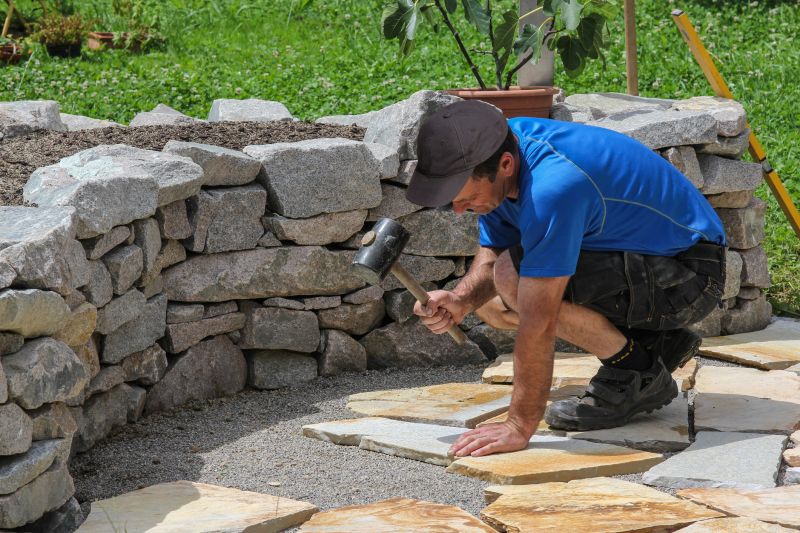
Properly timed work during mild weather ensures better adhesion and finish.
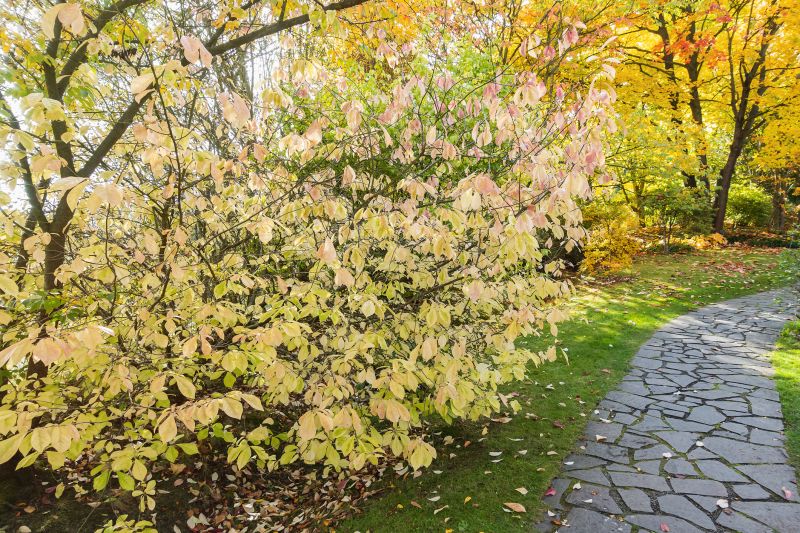
Autumn provides suitable temperatures and lower humidity for stone pointing projects.
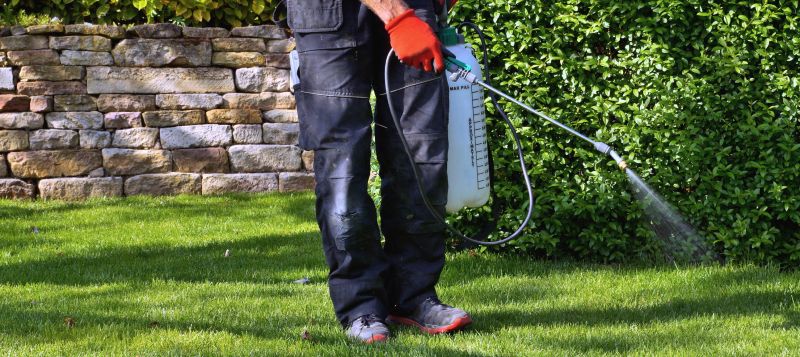
Spring offers favorable conditions with moderate temperatures and minimal rain.
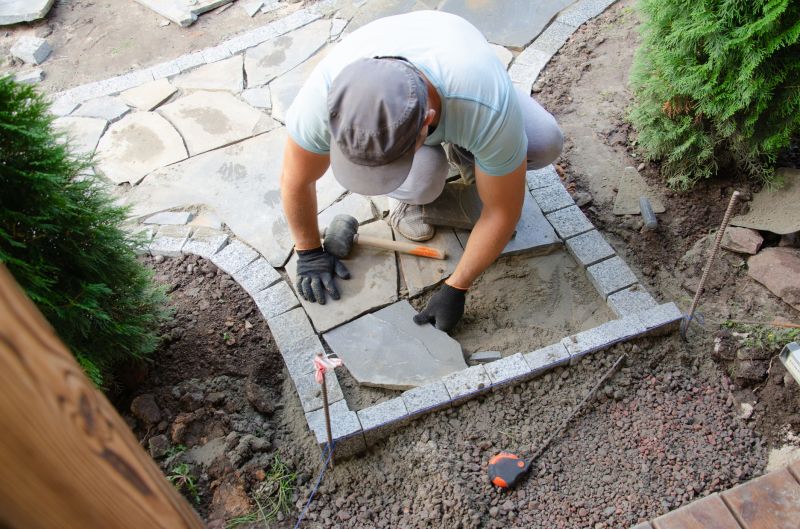
Cold temperatures and frost can hinder curing and compromise the integrity of the pointing.
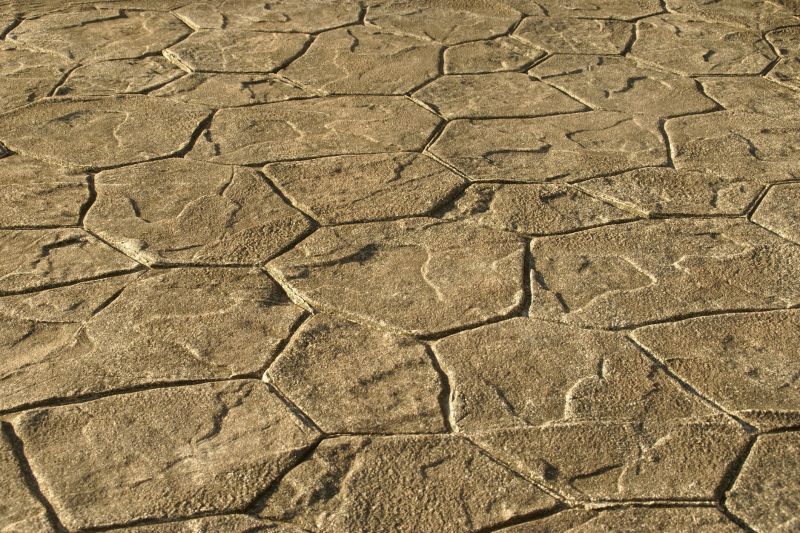
Hot weather can cause rapid drying, leading to cracks or weak bonds if not carefully managed.
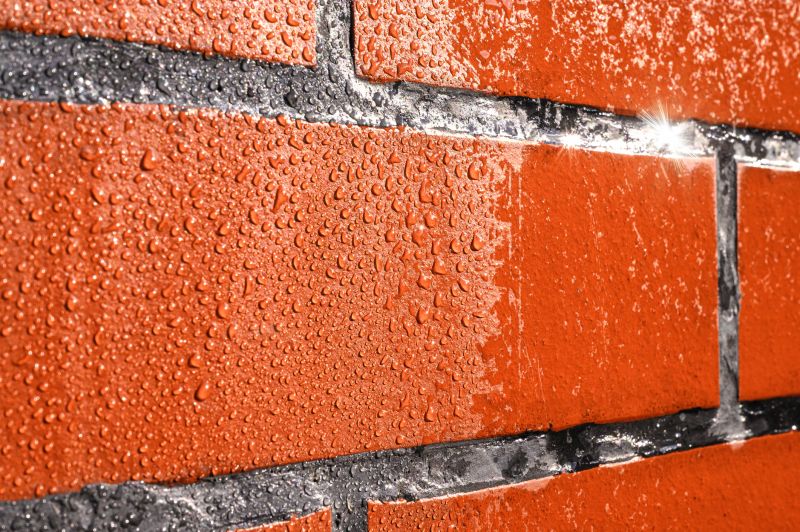
Scheduling around forecasted rain prevents moisture from affecting the curing process.
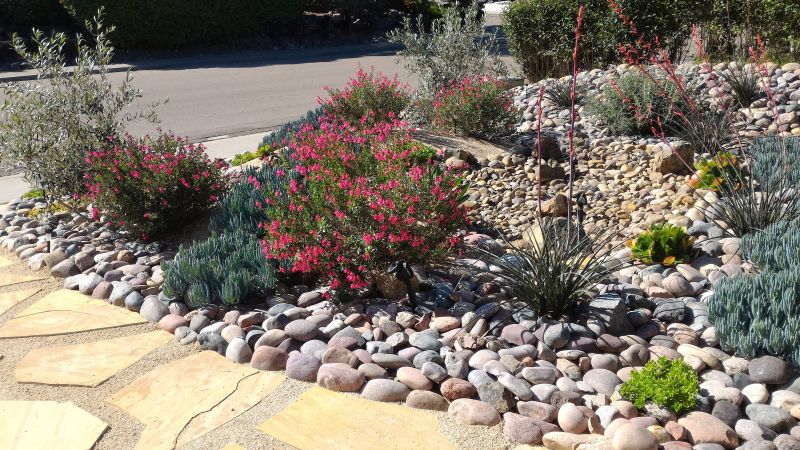
Choosing dry periods ensures uniform application and durability.
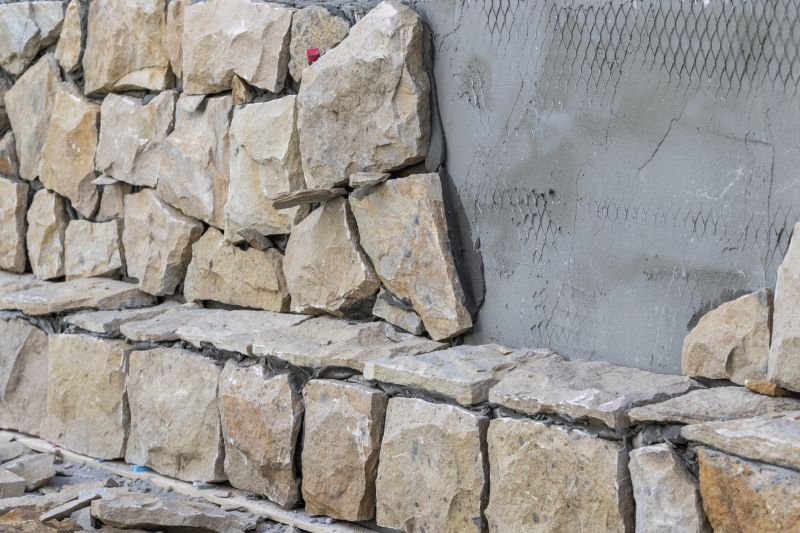
Regular weather checks help in planning the best time for stone pointing work.
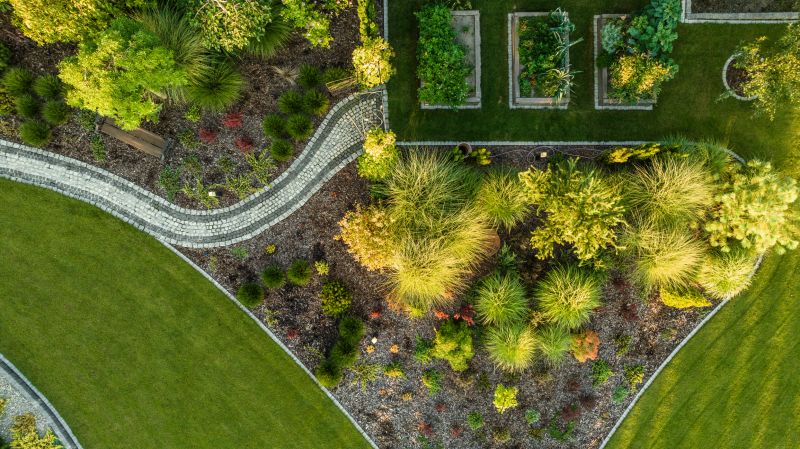
Planning projects for seasons with stable weather reduces delays and rework.
| Season | Recommended Conditions |
|---|---|
| Spring | Moderate temperatures, low humidity, minimal rain |
| Summer | Warm temperatures, avoid peak heat hours, monitor humidity |
| Autumn | Cooler temperatures, low rainfall, stable weather |
| Winter | Not recommended due to frost and low temperatures |
Stone pointings involve filling and sealing the joints between stones to improve structural stability and aesthetic appeal. Proper timing ensures the materials cure correctly, preventing issues such as cracking, water ingress, or surface deterioration. The process requires careful consideration of weather patterns and temperature ranges to achieve the best long-term results.
Statistics indicate that projects scheduled during optimal weather conditions experience fewer repairs and longer-lasting results. Proper planning around seasonal and daily weather variations can extend the lifespan of stone pointings by up to 30% compared to improperly timed applications.
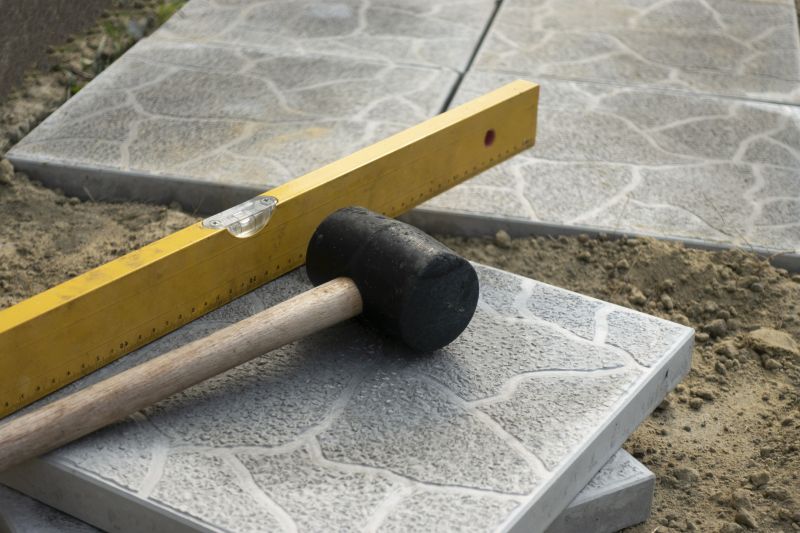
A well-timed project with a smooth, durable finish.
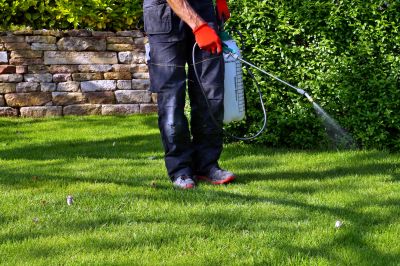
Optimal weather conditions facilitate effective application.
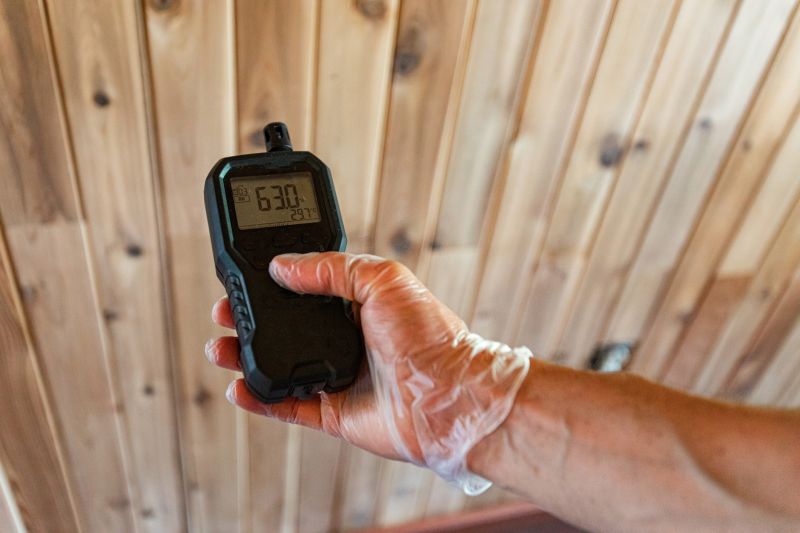
Tools to help schedule work during favorable conditions.
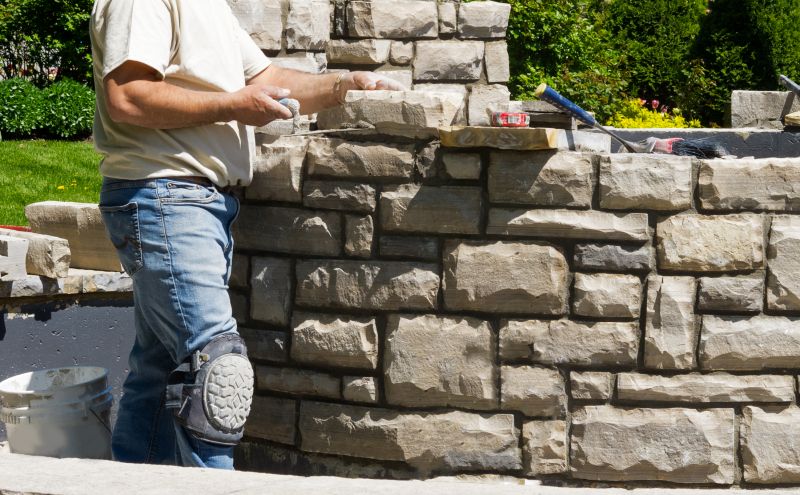
Exhibits the benefits of proper timing and execution.
Interested individuals are encouraged to contact for further guidance on scheduling stone pointing projects to maximize durability and aesthetic appeal.